

Making the Conditions Work for You, Not Against You
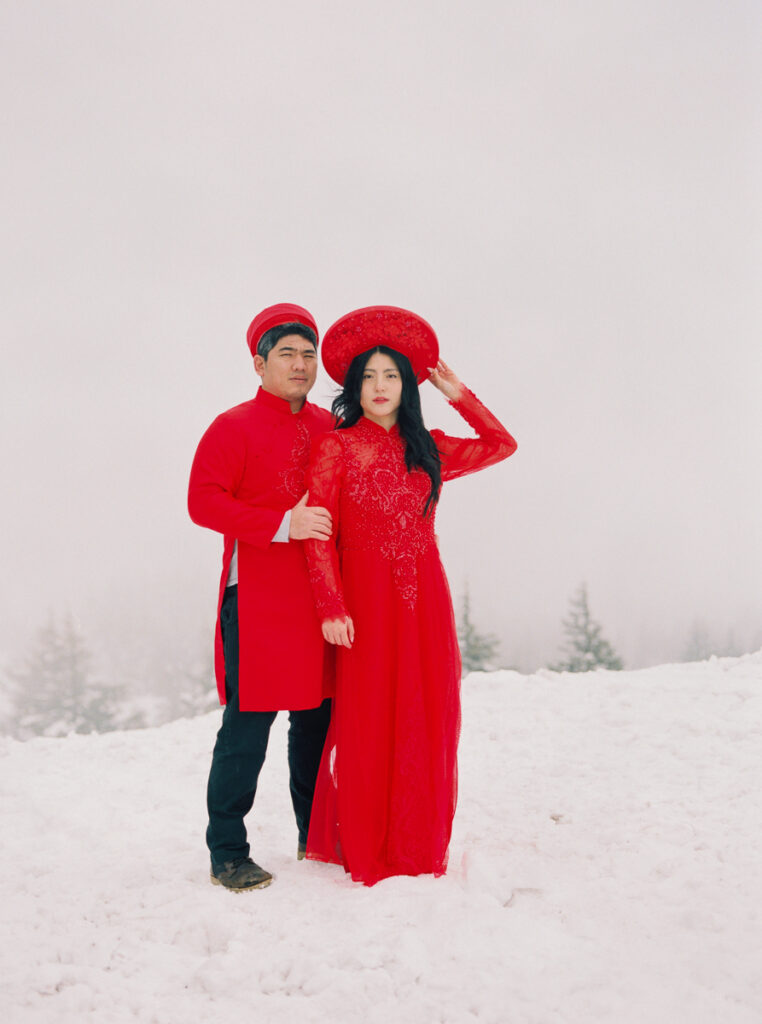
Shooting film in the snow can be absolutely beautiful. The light is soft, the colors feel clean, and the quiet of a winter scene adds something really special to an image. But snow is also tricky. It reflects light in every direction, it drains your batteries, and it makes you think your exposure is wrong when it is actually spot on. Shooting film in the snow can be a mess if you are not ready for it, but with a few smart moves, it can also be some of the most show stopping work you do all season. Let’s start with what not to do when shooting film in the snow.

1. Do NOT Think You Know Better Than Your Light Meter
Snow can fool your eyes into thinking it is darker than it actually is. All that white light bouncing around makes your brain try to compensate, and suddenly everything looks dimmer than it really is. But your light meter is not falling for it. It is not emotional. It is just there, being a tool and doing its job.
If you ignore it and trust your gut, (or rather, your eyes) you will probably overexpose your entire roll. The highlights will blow out, and your snow will lose all of its subtle tone and texture. So even if it feels wrong, trust the meter. It sees what your eyes can’t. Shooting film in the snow is not a situation with room for deep seeded trust issues.
2. Do NOT Shoot Expired (Fuji) Film
Yes, we were all affected by the let down of 2021 when Fuji announced they would no longer be producing Fuji 400 H. Yes, we all have that stash of long expired film sitting in the back of the freezer. And yes, technically speaking, freezing film slows the aging process. But slowing is not the same as stopping. Chemistry is still doing it’s thing to break down over time, and expired film becomes more and more unpredictable.
In perfect lighting, expired film might still surprise you. When shooting film in the snow, where contrast is high and color accuracy matters more than usual, it’s not worth the risk. You are already dealing with tricky conditions. Do not add another layer of uncertainty to the mix. Use fresh film and give yourself a better shot at clean, reliable results. Dice rolling with results here is not the safe bet.

photo by: Mylyn Wood Photography
3. Do NOT Underestimate the Cold
Shooting film in the snow comes with the elements of the outdoors in winter. Cold temperatures are rough on both you and your equipment. Batteries die faster, shutters slow down, LCDs lag or stop working entirely. If you are out in the cold for more than a few minutes, your gear will start to feel it.
One easy fix is to carry extra batteries somewhere warm. Inside your coat pocket is good. Inside your bra or tucked into your armpit is even better. It might sound dramatic, but you don’t want frozen batteries to be an added layer of complexity when you’re knee deep in snow and high contrast highlights. Keeping spares within reach and already warm could be the difference between getting the shot or having to pack it in early.
Oh, and wear a coat. It’s cold outside.
Moral of the (snowy) Story
Winter is not the easiest time to shoot, but it can absolutely be one of the most beautiful. Trust your light meter, stick with fresh film, and prepare for the cold. The more care you take upfront, the more magic to be had when your scans hit your inbox.
Got something snowy you are proud of? Tag us @photovision.co and use #PVWinterFilm so we can see what you are creating out there in the wild!