

What Happens When You Compare 28 Film Labs?
Some of us grew up in this lab. Three generations deep. Which also means we’re the first to admit we might be a little too close to it. When you’re that close, perspective can get blurry.
So we did what any reasonable, well adjusted group would do. We put on lab coats and conducted an experiment.
Not all film labs are the same. That part we knew.
What we didn’t realize was just how different they actually are.
We expected small differences between film labs. What we found was a much wider gap than that.
We sent our film to 28 different labs to find the best film lab and understand what truly separates an average experience from a professional film developing service you can trust.
How We Tested 28 Film Labs to Find the Best Film Lab
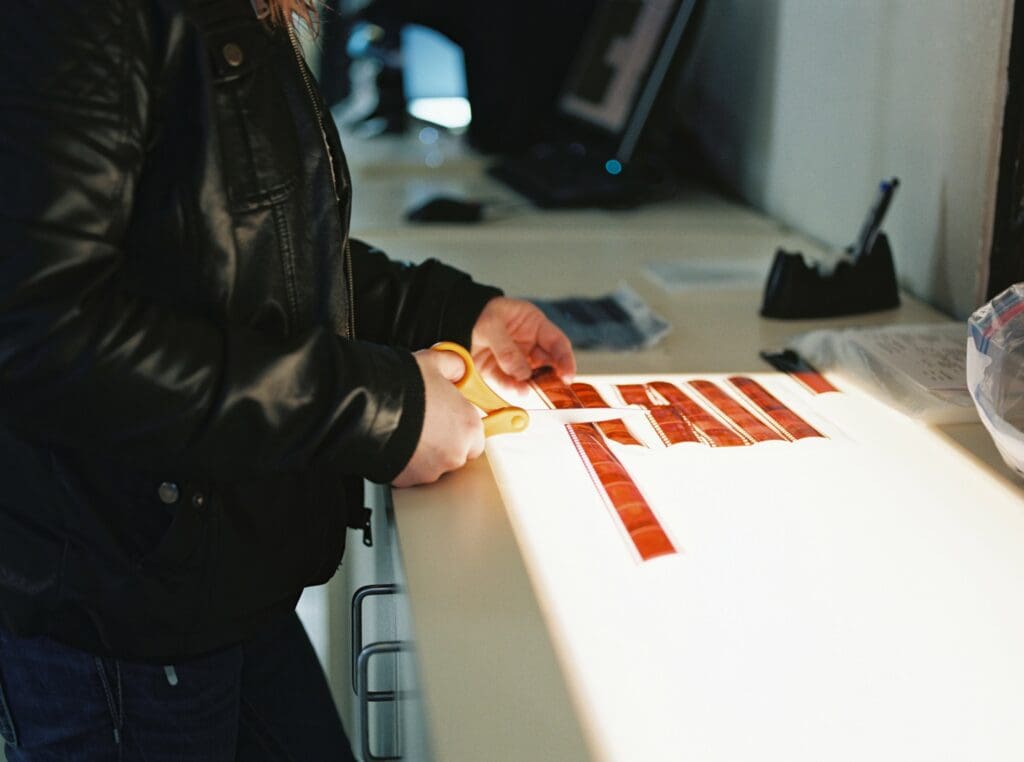
We approached it in the simplest way possible. Same order, same film stock, same format. Each roll was sent through every lab’s standard system, exactly like any other customer in a true, everyday film developing service experience.
Then we pulled out our imagined beakers and started collecting data. Everything from start to finish.
We tracked pricing from the first click through checkout, noted communication and turnaround updates, and followed each roll through its entire lifecycle.
When the scans came back, we evaluated delivery, color, and overall consistency across the roll. Nothing got a pass.
Because when you’re comparing film labs, film scan quality and consistency are what actually matter.
Honestly, we could’ve made a documentary.
Because… science, obviously.
Film Lab Pricing: What Looks Affordable Isn’t Always
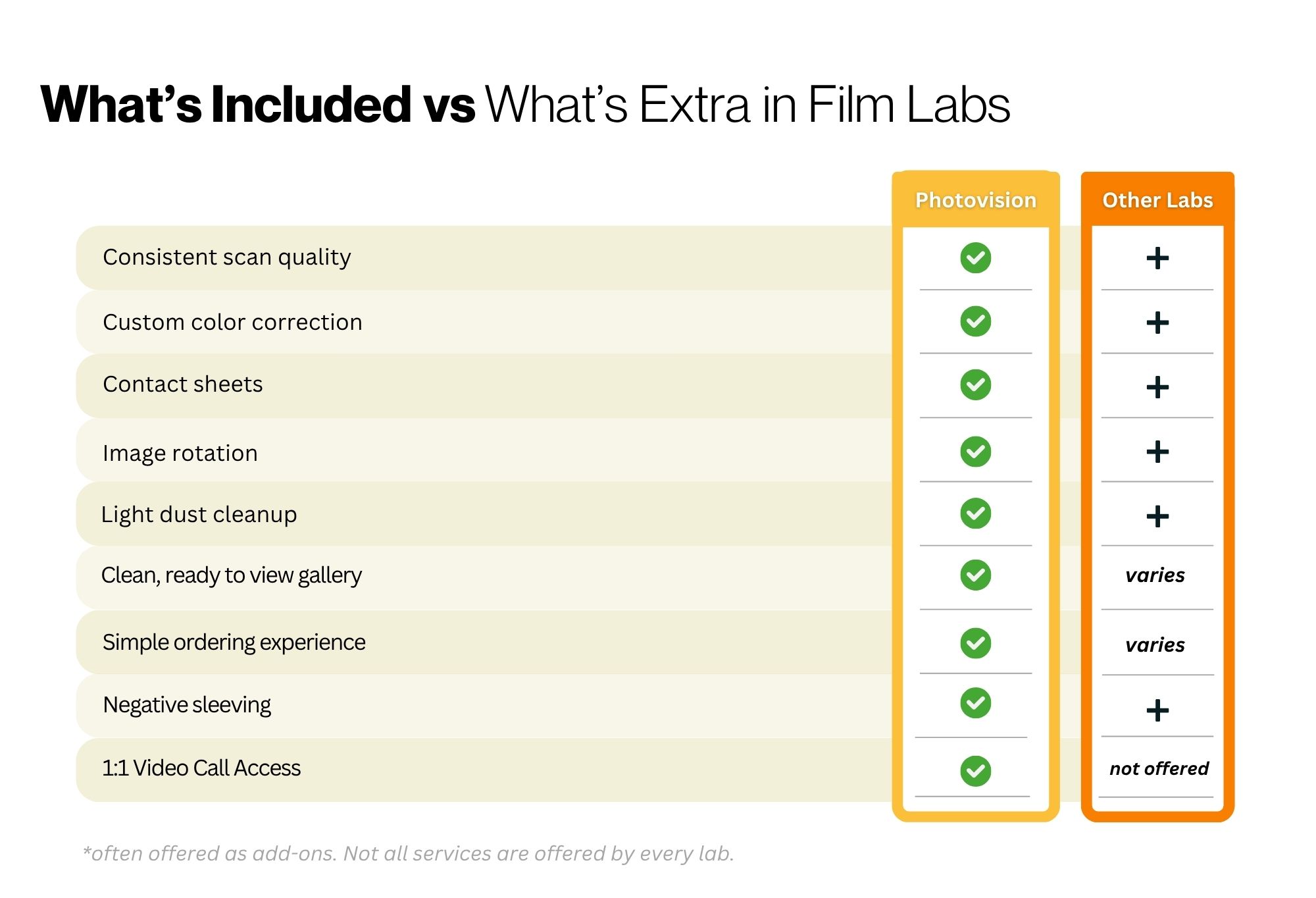
Pricing was the first signal. Some film labs looked affordable on the surface, but the structure shifted as the order came together. Color correction, contact sheets, and negative sleeving were often treated as add ons, and the total climbed quickly because of it.
What’s considered standard at PhotoVision showed up elsewhere as extras.
Rotated images. Extra.
Dust removal. Extra.
Even keeping rolls in order. Also extra.
One order started at $22 and ended at $47 by the time it was complete.
And then there was the checkout experience.
Some labs only accepted PayPal or Venmo. Others added a tip screen before the order was even finished. Not offensive, just unexpected. Like being handed a bill before the meal arrives.
In one case, a lab had issues with their invoicing system, and our film was sent back weeks later, completely undeveloped.
“Don’t judge a book by its cover” turned out to be especially true when the cover was the price.
Film Lab Ordering: A Small Test of Patience
There is a lot of variety in ordering systems when you try out 28 different film labs.
As people who know their way around a well-placed UberEats order, we assumed this would be the easy part. That confidence did not last.
Some order forms were great. Clear, simple, quick. Others felt more like a scavenger hunt, with options that needed translating before you could confidently select anything. A few had us circling back mid order to make sure we hadn’t missed something obvious.
Nothing impossible, but enough friction to slow things down and make you second guess a process that should feel straightforward.
In some cases, it was surprisingly difficult to even find where to begin, with order forms buried behind multiple pages, scattered links, and no clear starting point.
After the tenth checkout, you start to notice patterns. After the twentieth, you start to question your own reading comprehension.
At a certain point, it becomes clear that ordering film development should be simple. A good film developing service should be easy to navigate, with clear options and language that doesn’t require a working knowledge of film chemistry. The easier the process, the more confident you feel sending your film in.
Most photographers aren’t trying to pass a test. They’re just trying to send in a roll of film.
Film Scan Delivery: Where Things Start to Drift
Delivery is where the overall experience started to separate more clearly. For a modern film developing service, delivery should feel just as seamless as the scans themselves.
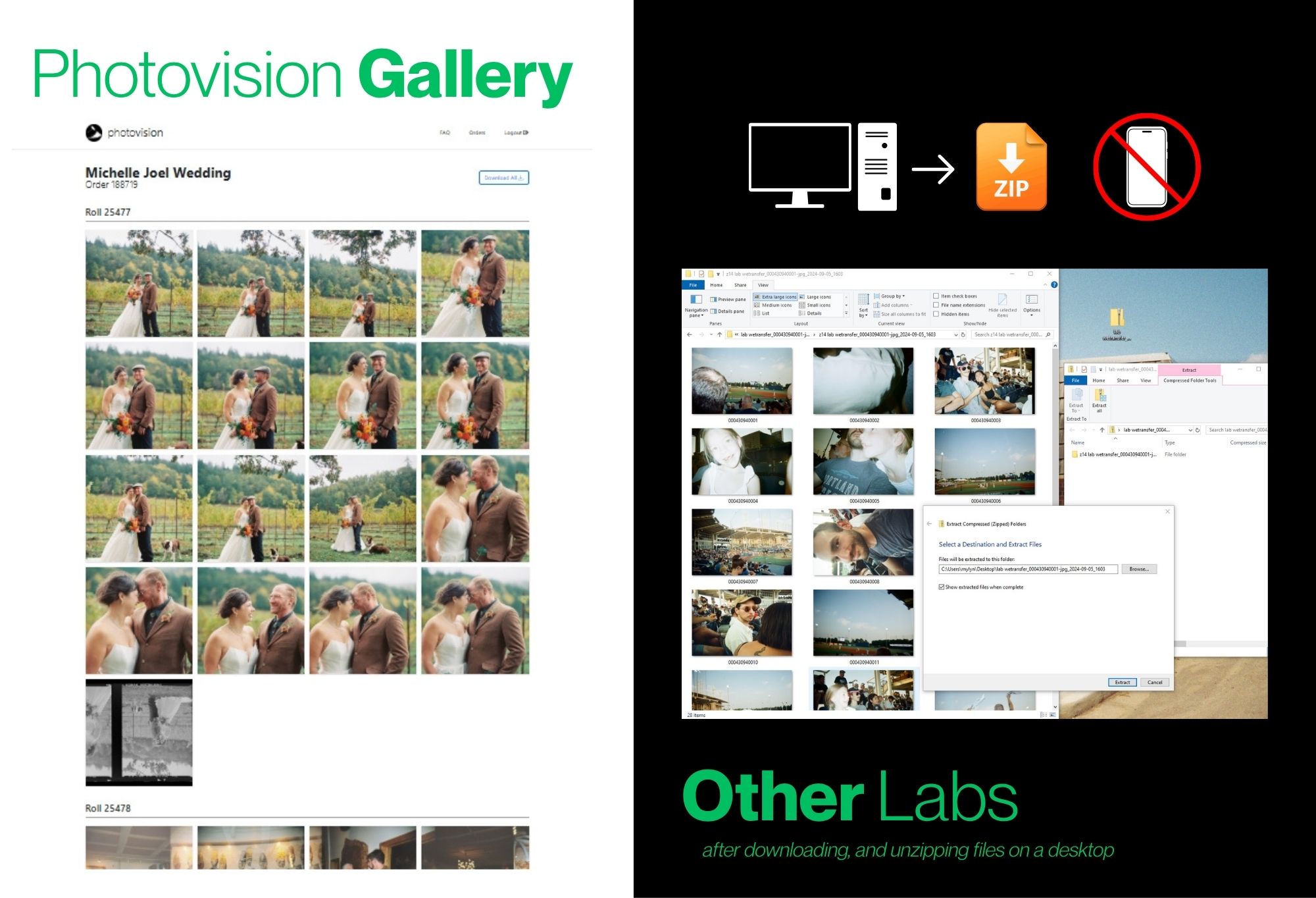
Most labs delivered scans through Dropbox, WeTransfer, or Google Drive. These tools work, but they often feel more like storage than presentation. More like opening a filing cabinet than stepping into a gallery.
The delivery email is a bit like Christmas morning for photographers. Opening it should be easy.
Instead, it often came with extra steps. Downloading files. Unzipping folders. Sometimes needing a desktop just to see your images.
It sounds small until that email is sitting in your inbox, just out of reach, and suddenly you need to see those photos.
At that point, you have three options. 1. Rearrange your schedule and get to a computer. 2. Text a friend and walk them through downloading and unzipping everything. 3. Accept your fate and wait.
If you’ve ever received scans while traveling or running errands, you’ve probably done at least one of these. Possibly all three.
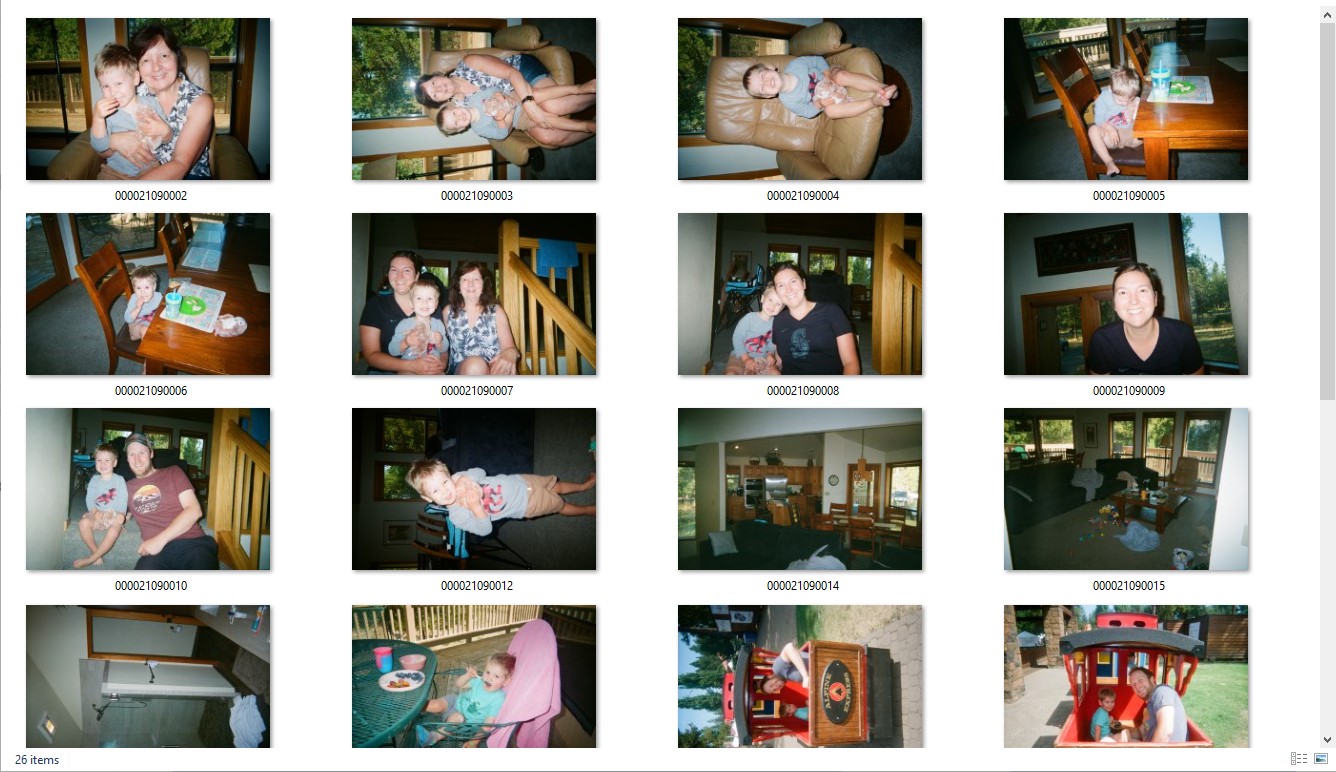
Once you finally get in? Unrotated images, noticeable color shifts, dust or frame edges, etc. Small detail, big impact.
Folder structures and file names didn’t always help either. In one case, every file name was a long string of dates, order numbers, and customer info, repeated across the entire roll. Thorough, just not useful.
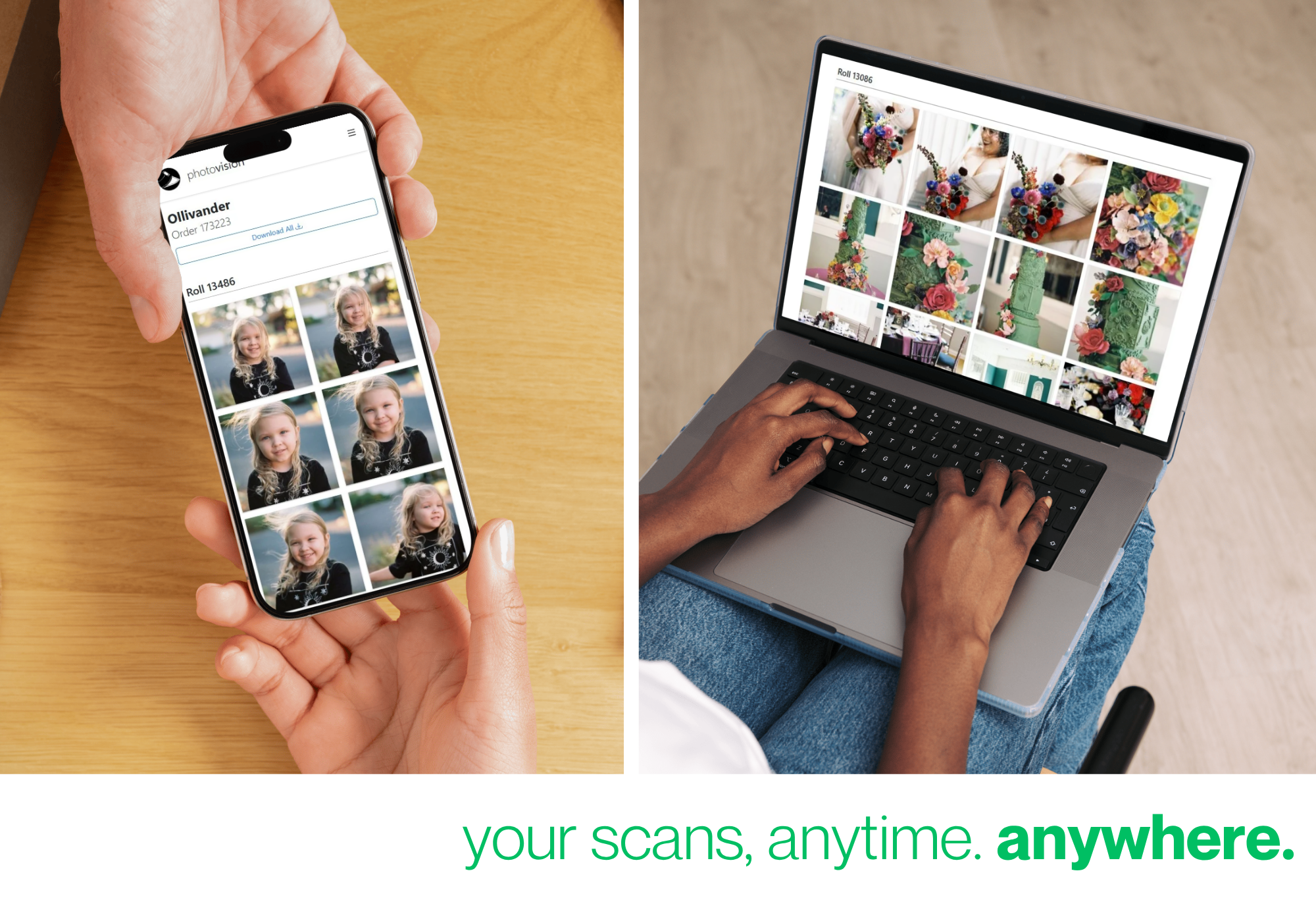
We kept coming back to one thing. Most photographers open their scans on their phones, in between everything else, trying to get a quick read on what they captured. That moment should feel immediate. Too often, it didn’t.
That mattered to us.
So instead of working around existing delivery systems, we built our own. No desktop required. No zipped folders, no extra steps. Just a clean, simple gallery, ready to view the moment it arrives.
Film Scan Quality: The Details Add Up
This is where things got a little unpredictable.
We selected custom color on every order, which felt like a reasonable place to start. In quite a few cases, the results had us wondering if the “auto” button had quietly made an appearance.
Skin tones drifted, often toward cyan. Exposure adjustments were minimal. Underexposed frames stayed dark, while overexposed frames stayed flat.
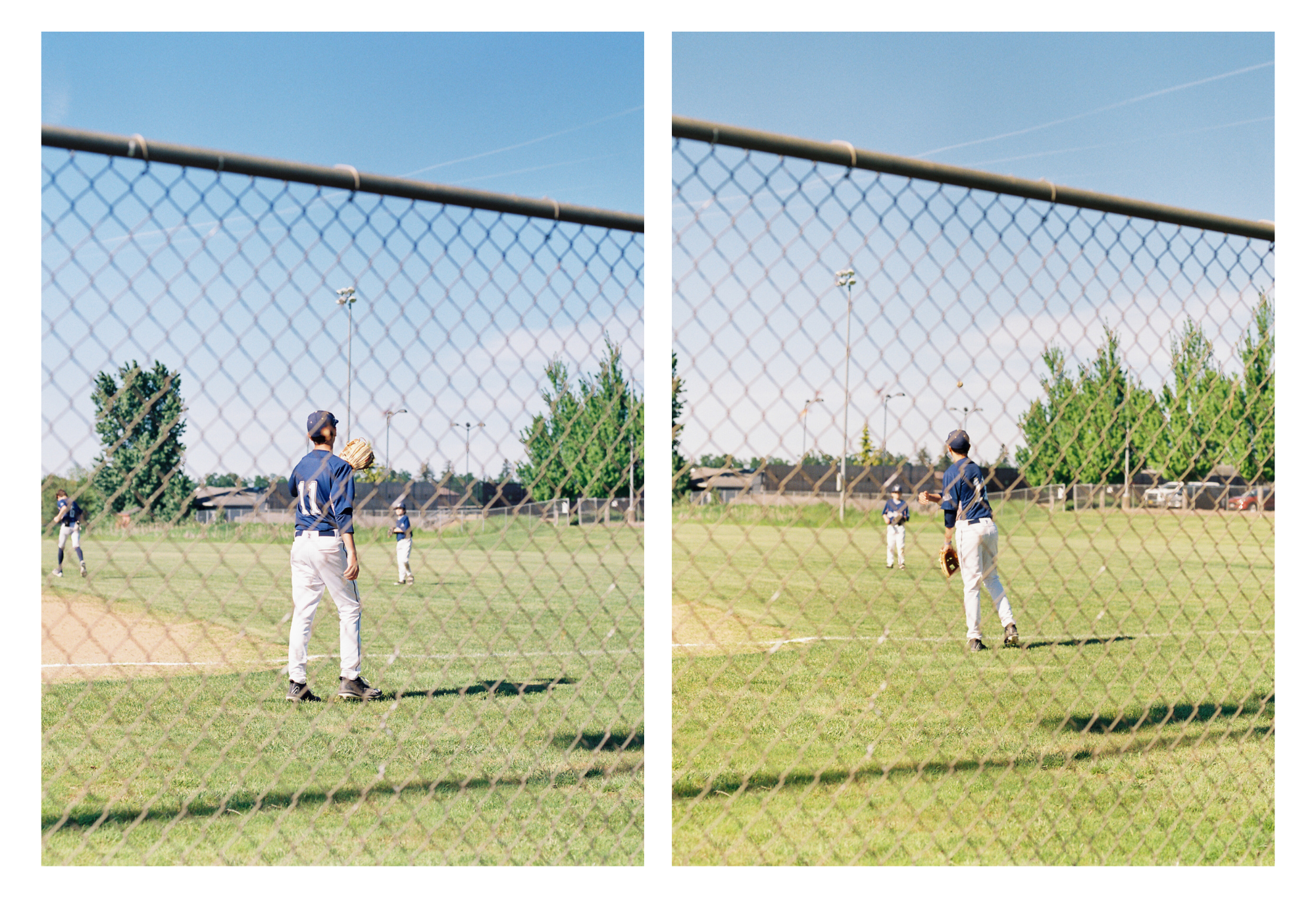
Nothing catastrophic. Just a noticeable lack of intention.
We weren’t expecting perfection. We were expecting effort.
There were still good images in every set, but consistency was harder to count on. Dust showed up where it could have been cleaned. Film edges made occasional appearances and every so often, a frame arrived upside down, which by this point felt almost like a signature move.
Beyond the scans themselves, the process introduced its own kind of suspense.
Some labs kept us updated with clear communication and status emails. Others took a more hands off approach. Film was sent out, and then things went quiet. No confirmation of arrival, no updates. Just a general sense of hoping it made it to the right place and would eventually come back looking great.
Turnaround times followed a similar pattern. Some orders came back in just a few days and felt impressively fast. Others stretched into several weeks, with one nearing six. That one required multiple follow ups just to confirm it was still moving. Another was returned entirely after payment couldn’t be processed through the lab’s only available method.
None of this on its own is a dealbreaker.
But when the process starts to feel uncertain, it changes how you experience the images when they finally arrive.
Because when it comes to film scan quality, consistency is everything.
It leaves you wondering what matters more. Speed, price, or consistency and which one your lab is actually prioritizing.
What Actually Matters in a Film Lab
After all of it, the takeaway wasn’t about who had the most advanced equipment or the largest files.
It was simpler than that.
A smooth ordering experience.
Pricing that makes sense from start to finish.
Scans that arrive ready, rotated, balanced, and easy to navigate.
None of it is complicated. It just has to be done well, every time.
That’s it.
Because when it comes to film scan quality, consistency is everything.
Not flashy. Not complicated. Just reliable in a way that lets you stay focused on your work instead of managing someone else’s process.
What Are You Really Paying For
With each order, the tradeoffs became more visible.
A lower starting price often came with added costs later. Faster turnaround sometimes meant less attention to detail. Clean scans were not always standard, and consistency was never guaranteed at any price point.
It raises a simple question. What actually matters when you send your film out?
Is a lower price still a better deal if the final cost ends up higher than expected? Is a faster turnaround worth it if you are rotating every image yourself? Does it matter if scans arrive quickly but still require work before they are usable?
Or, on the other side, is a consistent set of scans, delivered cleanly and ready to use, worth a higher starting price?
None of these questions are complicated. They just tend to get hidden behind convenience and assumptions.
Because when it comes to film scan quality, you are not just paying for development. You are paying for consistency, attention to detail, and how much work you have to do after your scans arrive.
And once everything is accounted for, the gap between a film lab and the best film lab often looks very different than it did on the surface.
How to Choose the Best Film Lab for Consistent Results
This wasn’t about catching anyone out. It was about checking ourselves.
Making sure the experience we offer holds up when you look at it from the outside, without bias doing any pushing or pulling.
Because when you send your film off, you’re not thinking about workflows or infrastructure. You’re waiting to see what comes back.
The whole experience, from ordering to delivery, should feel easy, seamless, and a little bit exciting. That “your scans are ready” email? That’s a dopamine hit, and we’re not in the business of ruining perfectly good dopamine.
We’re in the business of making sure it lands exactly how it should.
That means consistent film scans, intentional color, and images that arrive ready to use. It means your photos are already rotated, lightly cleaned, and delivered in a way that doesn’t require extra steps just to see them. If we’re going to be crowning the best film lab, all these things matter.
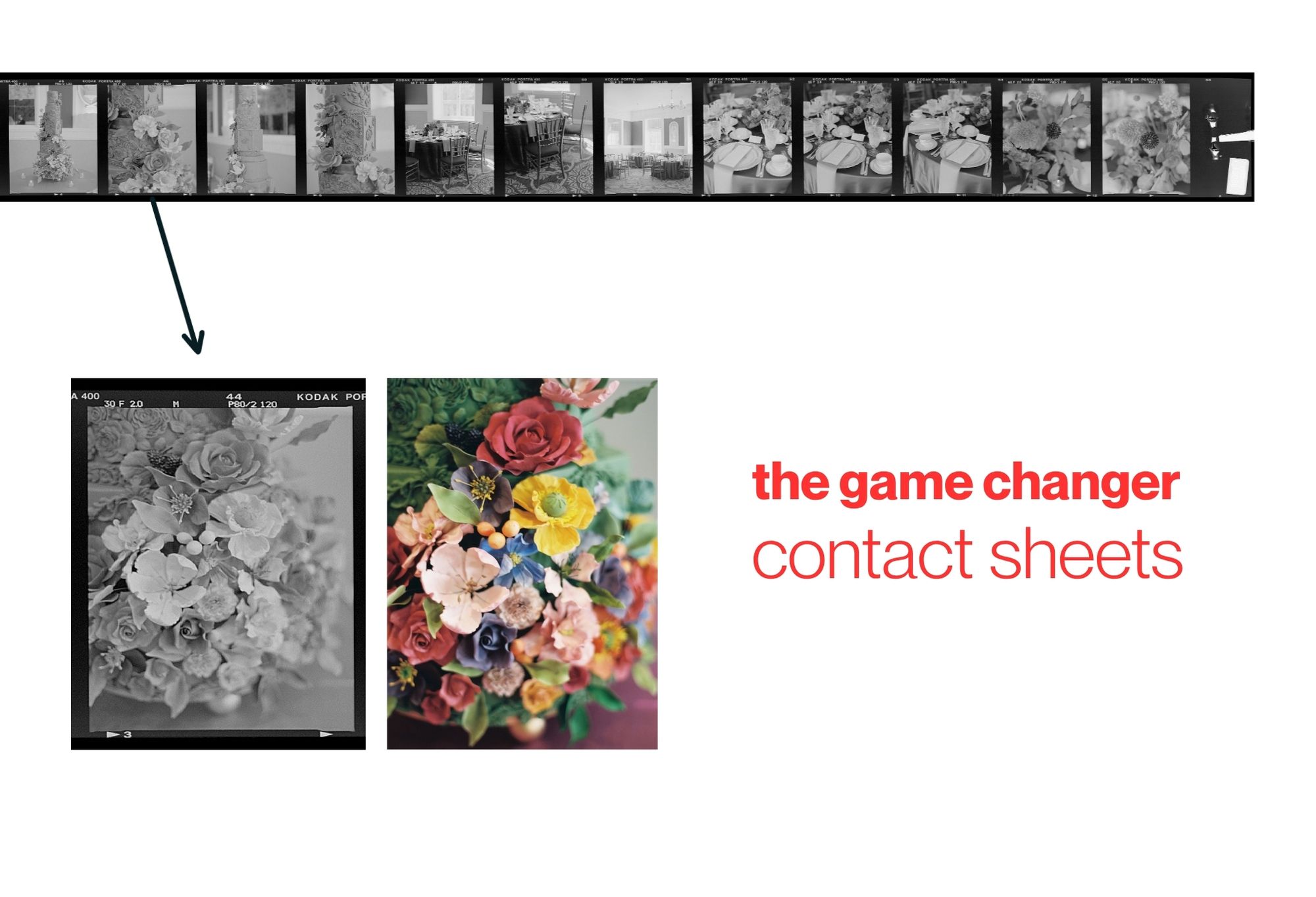
It also means including tools that actually help you work better. Contact sheets give you a full view of your roll at a glance, making it easier to see patterns, sequences, and subtle differences in exposure or composition. You start to understand what worked, what didn’t, and how your decisions play out across an entire roll, which naturally carries into how you shoot next time. Contact sheets are one of the most undervalued tools in the industry. Once it becomes part of your workflow, it’s hard to go back.
Beyond the scans themselves, it means access. Real people, real experience, and support when you need it, from your very first roll all the way to your thousandth.
Three generations in, we’ve learned that none of this is about doing more. It’s about doing the right things well, every single time. When you find the best film lab, you trust what’s coming back, your workflow becomes easier, and running your business stops feeling like an endless list of micro tasks. It gives you a sense of security and brings back the confidence and joy in doing what you love.
And for us? Film will always deserve a hell of a lot more than rolling the dice on it.
Got some film waiting for its moment? Send it our way and see what we’re about. Start your order here.
Shot some cool film lately? Tag us @photovision.co and use #Photovisionfilmlab so we can see what you are creating out there in the wild!